
8 October 2026
Roof Repair Costs In Weymouth And Portland: 2026 Prices, Job By Job
What roof repairs cost in Weymouth and Portland in 2026, from a single slipped slate to a ridge, valley or chimney, and why exposure and access move the price.
A roof repair in Weymouth can cost as little as £150 or run past £2,000, and the gap between those two numbers is mostly down to where the house is and how hard it is to reach. A cracked tile on a sheltered bungalow in Broadwey is a quick ladder job. Put the same tile on a three-storey Georgian house facing the bay, or a Portland stone cottage above Chiswell, and it’s a different job altogether. Chesil Beach runs for roughly 18 miles along this coast, and everything behind it takes the full force of the south-westerlies with nothing to break them up. Since April 2019, all of this area has sat under one unitary authority, Dorset Council, which is who you’d speak to about any listed building or conservation area questions. Below is what each common repair costs on the jobs we see, followed by the local quirks that push a quote up or down.
Roof repair prices in Weymouth at a glance
These are the ranges we work to for repairs on houses in Weymouth, Portland and the villages around them. They include labour, materials, waste and VAT, and assume ordinary ladder access unless we say otherwise.
- A few slipped or cracked slates or tiles: £150 to £400
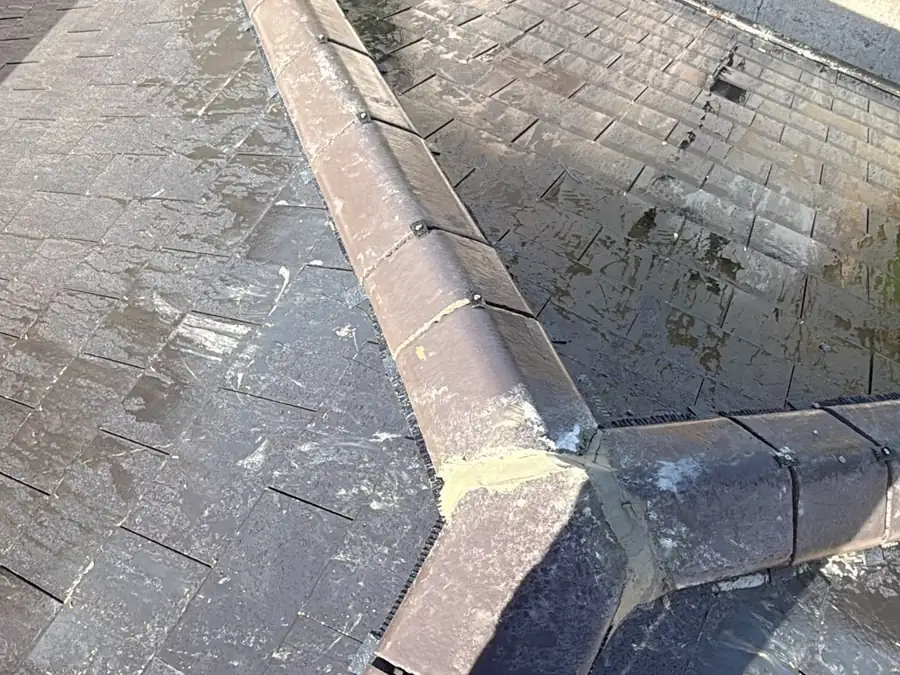
- Re-bedding or dry-fixing a ridge on a terrace or semi: £400 to £1,000
- Re-fixing a loose verge on one gable: £300 to £800
- Repairing or re-lining a valley: £500 to £1,400
- Chimney repointing and new flaunching: £600 to £1,800
- New lead flashing around a chimney: £400 to £1,200
- Bay window or porch flat roof: £400 to £1,200
- Storm damage spread over a bigger area: £600 to £2,000
Every one of those is a range, not a fixed price, because no two roofs are identical. Our roof repairs service in Weymouth starts with a survey and a written price, so you know the number before anyone climbs up.
Slipped slates and cracked tiles
This is the job we’re called out for more than any other, and usually the cheapest. A slate that has slid down the roof has normally lost its nail to rust, and a concrete tile that has cracked has often taken a knock from wind-blown debris or a heavy-footed aerial fitter.
A slate gets replaced using a copper or stainless strap, called a tingle, hooked under the slate above, because the original nail hole can’t be reached without stripping the course above it. Tiles are simpler: lift the ones above, slot in a match and fix it. Most of the cost here is the visit itself, which is why a single slate and five slates cost much the same.
When matching is the hard part
Older Weymouth roofs are often covered in Welsh slate or a clay tile that stopped being made decades ago. Finding a reclaimed match can take a bit of hunting. On a front elevation it’s worth the wait; on a hidden rear slope, a close modern match is cheaper and nobody will notice.
Ridges, verges and the Chesil wind
Ridges and verges sit on the edges of a roof, which is exactly where the wind gets hold of it. On older roofs both were held on with sand and cement mortar alone, and after years of salt air and frost that mortar turns to grit.
Re-bedding a ridge in fresh mortar is the cheaper fix. Swapping it for a dry-fix system, with each ridge tile screwed or clipped to a timber batten, costs a little more but stops the same job coming back after the next big blow. Loose verge tiles on a gable end get the same choice. On houses facing open water, along Preston Beach Road, out at Wyke Regis or in the villages behind the Fleet, we nearly always suggest dry-fix.
Wind damage also has a habit of looking smaller from the ground than it is. One ridge tile missing often means three more are rocking, so a fair quote should be based on someone actually checking the full length.
Chimney stacks and leadwork
Chimneys are tall, exposed and nearly always the oldest part of the roof, so on many Weymouth houses they’re where the leak starts. The usual culprits are crumbling joints in the brick or stone, cracked flaunching around the pots, and lead flashing that has lifted or split where it meets the roof.
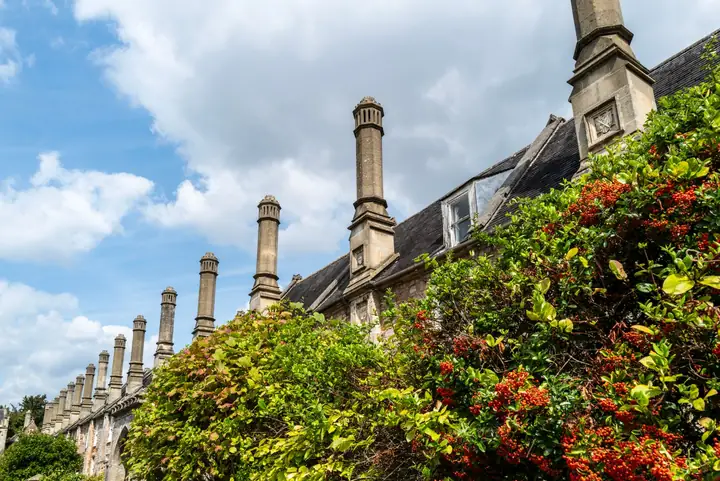
Repointing a stack from a roof ladder sits at the lower end of our range. A stack on a tall house, or one shared between two terraced properties, may need a chimney scaffold, and that’s what pushes the price toward the top. Lead flashing gets renewed in Code 4 or Code 5 lead, dressed into the brickwork and the slates. We’d steer you away from mastic or flashing tape as a permanent answer; they look neat for a summer and then peel.
Shared stacks
Plenty of Weymouth terraces share a chimney stack with the house next door. If the leak is in your half, the repair may well touch theirs, so it helps to have a word with your neighbour before work is booked.
Valleys, gutters and small flat roofs
Valleys carry the water off two roof slopes at once, so when they fail, they fail badly. Lead valleys split with age; older felt or mortar valleys simply wear out.
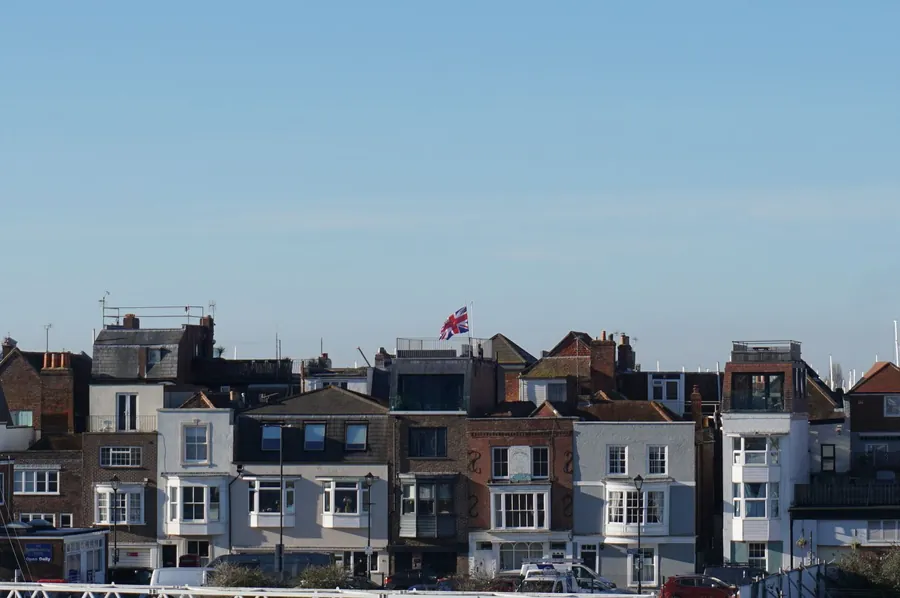
Relining a valley means lifting the slates or tiles on both sides, laying new lead or a GRP liner, then putting everything back, which explains why it costs more than you might expect for a strip only a foot wide. Small flat roofs over bays, porches and dormers are a similar story. The covering may be fine, but water gets in at the upstand where it meets the wall, and the fix is often a new edge detail rather than a full new roof.
Gutters are the cheap end of things. Clearing a blocked run and resealing a leaking joint is usually £90 to £250. A gutter that has dropped and needs new brackets costs a bit more, and full replacement of fascias, soffits and gutters is a separate job priced in its own right.
Portland: stone houses, salt and a hilltop
Repairs on Portland behave differently, so the island gets its own section. The island is a block of limestone joined to the mainland only by the end of Chesil Beach, and it rises steeply from Chiswell and Fortuneswell up to the Verne. Houses on the high ground get no shelter at all.
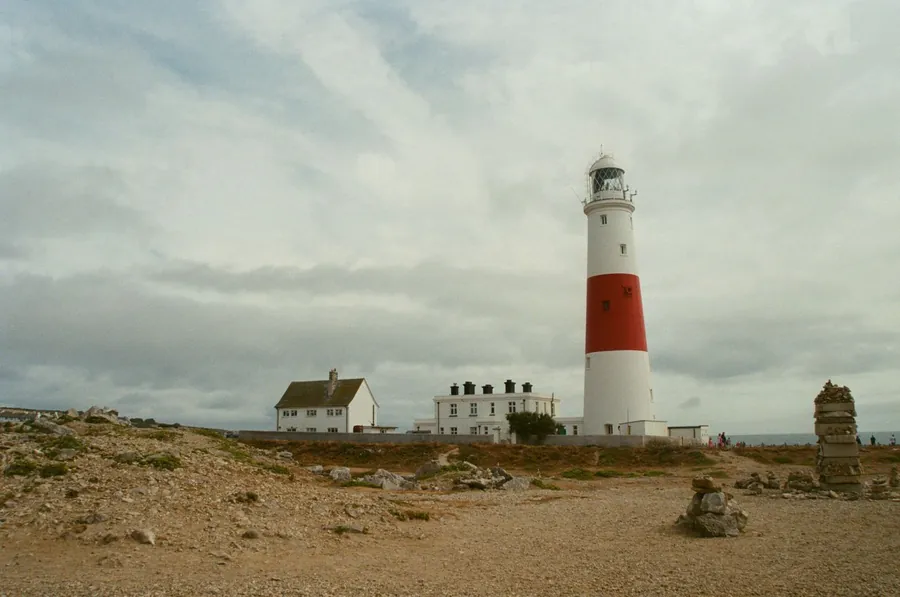
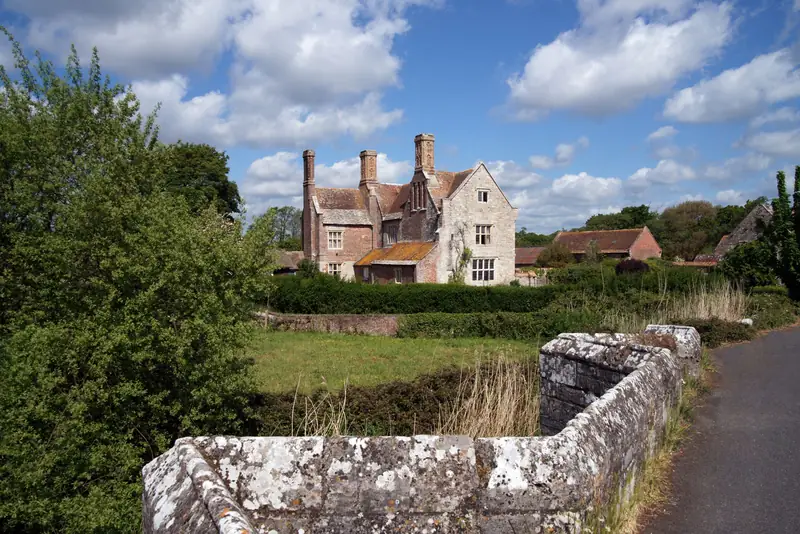
Many older Portland homes are built from Portland stone, often with stone chimney stacks and slate roofs. The walls last for centuries, but the mortar between them doesn’t, and salt in the wind speeds up the wear on lime joints and on the flaunching around the pots. Ferrous nails and clips rust faster here too, which is why a slipped slate on Portland is rarely the only one. On the repair calls we take from the island, it’s common for a “two slate” job to turn into a full slope check once we’re up there.
None of this makes the repair dearer by itself. What changes the price is the time involved and how far the damage has spread. Several of Portland’s villages, including Easton, Wakeham and Underhill, are conservation areas, and you can check the boundaries on Dorset Council’s conservation areas page for Weymouth and Portland. If you live on the island, our roof repairs in Portland page goes into more detail.
Steep streets, harbour fronts and getting access
Access is the line on a repair quote that people tend to skim past. A ladder costs nothing extra. A tower costs something. A scaffold, even a small one, can add several hundred pounds before any roofing starts.
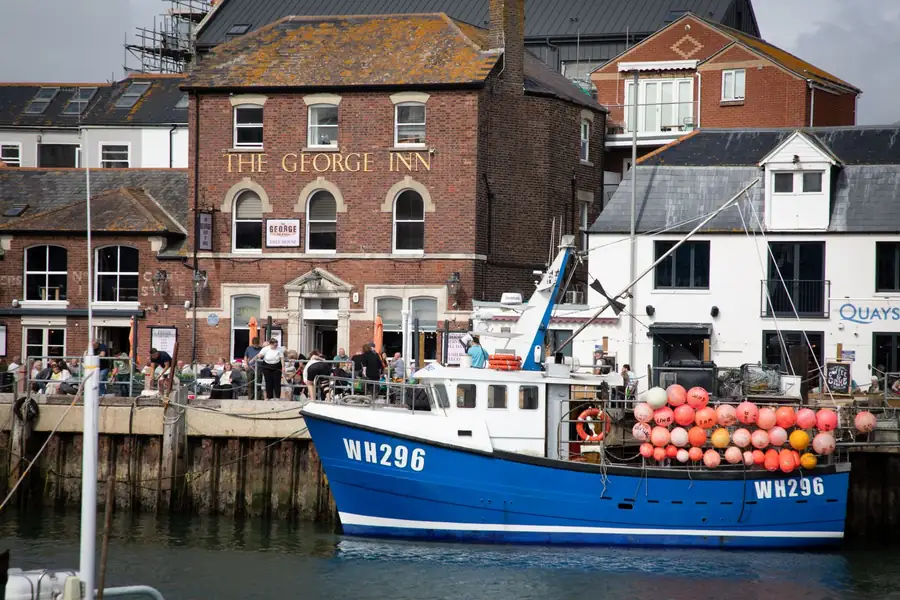
Weymouth makes that harder than many towns. The tall Georgian and Victorian houses along the Esplanade and around the harbour often need scaffold for anything above the second floor. Chapelhay and Rodwell are built on slopes, so a scaffold has to be levelled on uneven ground. On Portland, the narrow, steep lanes of Fortuneswell can mean carrying equipment in by hand rather than unloading at the door. Parking matters too: a van that has to park three streets away adds time, and time is what you pay for.
Listed buildings
If your house is listed, the repair has to respect its original materials, and some work needs consent before it starts. You can look your property up on Historic England’s National Heritage List for England. Matching slate, lime mortar and traditional leadwork can cost a little more, but it’s usually cheaper than putting the wrong repair right later.
Repair now or start budgeting for a new roof?
If the slates are sound and the problem sits in one spot, repair it. If we’re coming back every winter to the same roof, or the felt underneath has perished across whole slopes, patching it again is throwing good money after bad.
A rough rule we use: once a year’s worth of repairs starts heading toward a tenth of what a new roof would cost, it’s worth getting both priced side by side. Our guide to what a new roof costs in Weymouth gives the replacement figures, so you can compare like with like.
Whoever you choose, ask for the price in writing with the materials named and the access costs shown on their own line. The government-endorsed TrustMark scheme is a handy place to check a roofer’s standing before you agree to anything.
Frequently asked questions
How much does a small roof repair cost in Weymouth?
Swapping out a handful of slipped or cracked slates or tiles, where it can be reached safely from a ladder, usually costs £150 to £400. The figure climbs when the damage is high up, spread across the roof, or needs a tower or scaffold to reach.
Why do roof repairs on Portland sometimes cost more?
Two reasons come up again and again. Portland houses are more exposed, so damage after a gale tends to be wider than it first looks, and many sit on steep, narrow streets in places like Fortuneswell where getting access equipment in takes longer. The repair itself is priced the same; the extra is time and access.
When does patching an old Weymouth roof stop making sense?
If the slates or tiles are sound and the problem is local, such as a ridge, a valley or one chimney, a repair is normally the better value. Once you're paying for repeat call-outs on the same roof every winter, or the battens and felt have failed across whole slopes, it's time to price a replacement alongside the repair.
Do I need planning permission for a roof repair in Weymouth or Portland?
A like-for-like repair rarely needs permission. Listed buildings are the exception, because changes that affect their character can need listed building consent from Dorset Council even when the work looks minor, so check before anything comes off.
Want a roofer to take a look?
Free surveys and fixed written quotes across Weymouth, Portland and nearby towns.