
12 October 2026
Flat Roof Repair And Replacement In Weymouth And Portland: Garages, Dormers And Extensions Priced
Flat roof repair and replacement prices in Weymouth and Portland for garages, rear extensions, dormers and bays, plus felt vs EPDM vs GRP on the coast.
Flat roof repair and replacement in Weymouth costs anything from about £400 for a sealed bay roof to £6,000 for a full warm-roof rebuild over a big kitchen extension. Most jobs land well inside that. The roofs themselves are scattered all over the town: garage rows on the post-war estates at Southill and Littlemoor, kitchen extensions off Victorian terraces in Westham and the Park District, dormers on Preston bungalows, and plenty of flat-roofed back additions stuck onto Portland stone cottages in Fortuneswell and Easton. They all get the same weather. Weymouth isn’t an especially wet town by British standards, but the rain it does get tends to arrive sideways, salted, with a south-westerly behind it. Below are the prices we work to for each type of roof, then what to put on top, how to tell whether yours can be saved, and when building control needs to know.
Flat roof prices in Weymouth and Portland, roof by roof
These figures include labour, materials, waste and VAT. They assume ladder or tower access unless we say otherwise.

- Repair to a split, a seam or a lifted edge trim: £400 to £1,200
- Bay window or porch roof, re-covered: £400 to £1,200
- Single garage, stripped and re-covered in EPDM: £1,200 to £2,200
- Rear extension of around 15m², EPDM or GRP: £2,000 to £3,800
- Warm-roof rebuild with new deck and insulation: £3,500 to £6,000
Dormers are missing from that list on purpose, because the covering is cheap and the access usually isn’t. More on that below. If you’d rather talk it through for your own house, our flat roofing service in Weymouth starts with a survey and a written price that names the membrane and the deck board.
The garage at the bottom of the garden
Garages are where we start most flat roof conversations in Weymouth. Southill, Littlemoor and the newer parts of Chickerell have plenty of them, often in rows, some brick, some precast concrete panels. They were mostly roofed in felt over chipboard, and forty-odd years on, a lot of that chipboard has turned to something closer to wet cardboard.
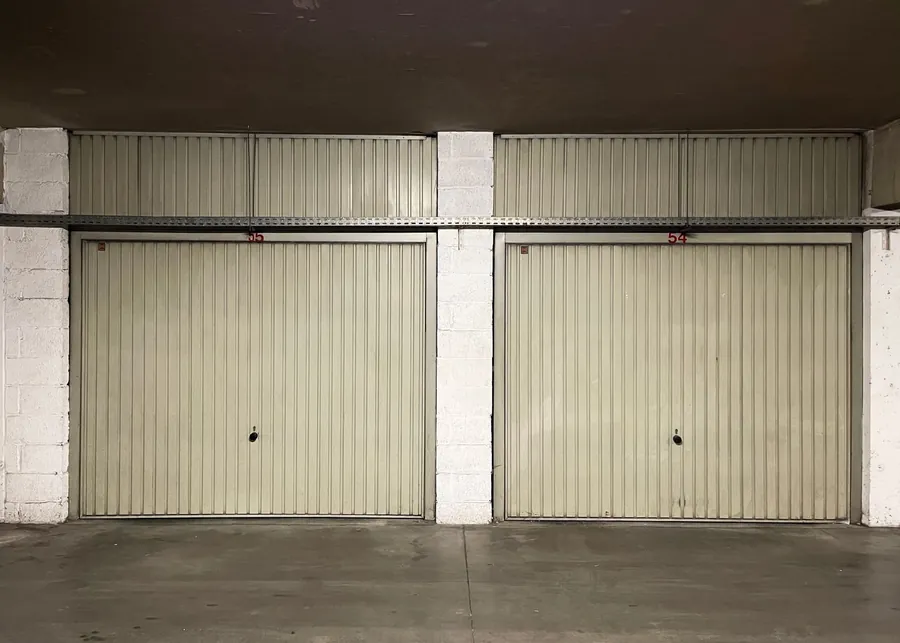
A garage is the simplest flat roof there is. Nobody sleeps under it, so it stays a cold roof with no insulation, and the job is strip, swap any soft boards, lay EPDM, fit new trims. That’s why it sits at the bottom of our replacement range. The price creeps up when the fascia board has rotted along with the deck, or when the only way in is down a shared track behind a row of houses.
One warning. If the roof is corrugated cement sheeting rather than felt, treat it as possible asbestos until a sample says otherwise. The Health and Safety Executive’s asbestos guidance explains why nobody should be cutting, drilling or snapping those sheets before it has been checked.
Rear extensions and the room underneath
An extension is a different job because there’s a kitchen, a bathroom or a dining room under it. The terraces of Westham and the Park District grew small back additions over the last century, and plenty were later pushed out further with a flat-roofed kitchen. When those roofs leak, the first sign is usually a brown ring round a ceiling light rather than a drip.
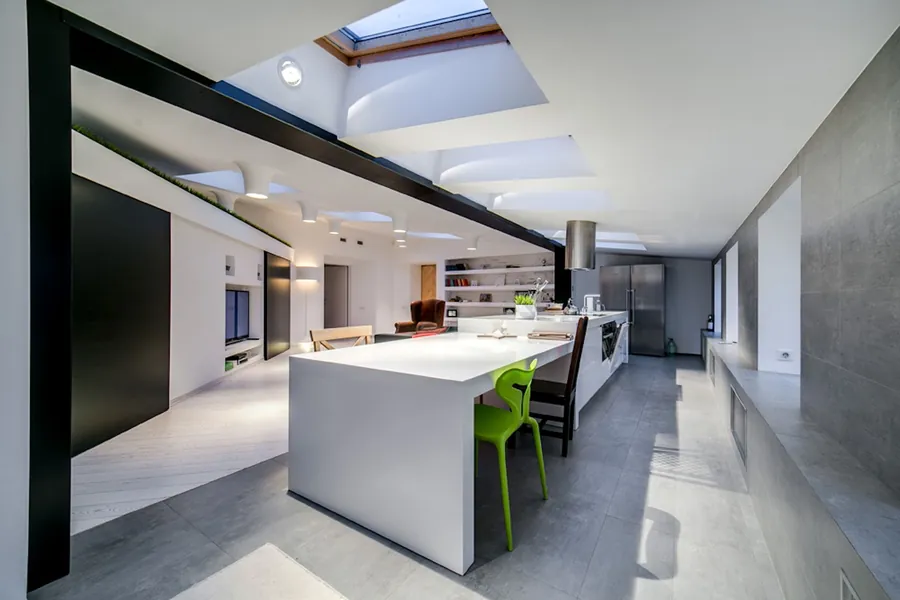
For a roof of around 15 square metres, a straight re-cover in EPDM or GRP costs £2,000 to £3,800. If the old roof was built cold, with insulation stuffed between the joists and a draughty void above, we’ll usually price a warm roof as well. That puts rigid insulation on top of the deck, with a vapour control layer under it, so the timber stays on the warm side and stops sweating in winter. The full rebuild comes in at £3,500 to £6,000. It’s more money, but on a kitchen with rooflights it is often the difference between a room you use in January and one you don’t.
Rooflights while the roof is off
If you’ve thought about adding a rooflight or swapping an old plastic dome for a flat glass unit, do it now. Building the upstand into a new deck is a far neater job than cutting into a two-year-old membrane.
Dormers and bays: small roofs, awkward access
Look up from the quayside at the terraces around Weymouth harbour and you’ll see dormers poking out of almost every roof. Many of them have a flat top no bigger than a dining table, covered in felt, lead or GRP, and bordered by tile hanging or render on the cheeks.
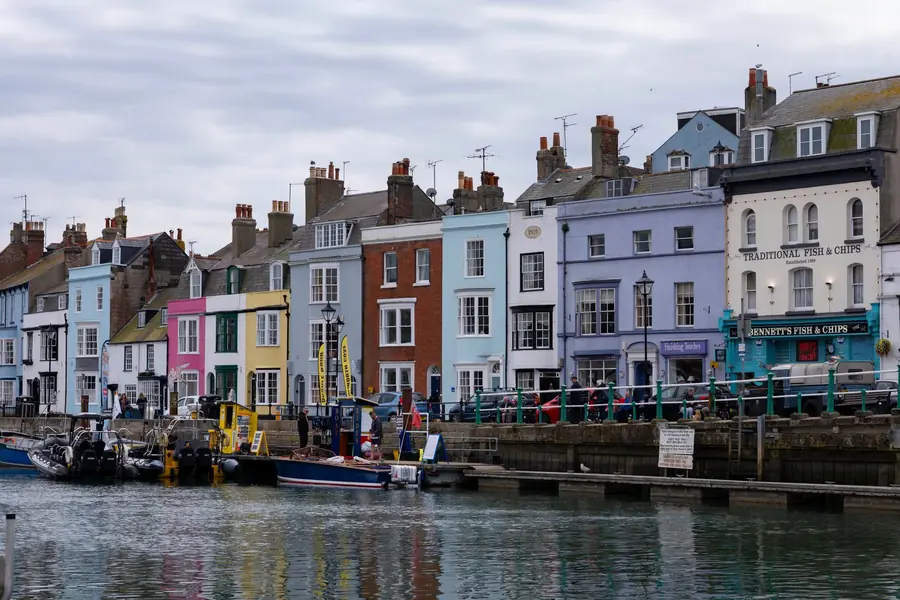
The material on a dormer top costs very little, and re-covering one sits roughly in the same band as a bay or porch roof. What changes the bill is getting there. A dormer on a bungalow in Preston or Upwey can often be reached from a tower. On a three-storey house by the harbour it means scaffold, and that can add several hundred pounds before anyone touches the roof. If the dormer cheeks or the main roof also need attention, doing them under the same scaffold saves paying for it twice.
Bay roofs on the Victorian streets are the other usual suspect. They sit right at eye level, so the leak tends to show up as damp in the window head long before anyone notices the felt has cracked. GRP suits them well because it can be formed round the curves and corners without seams.
Portland stone cottages with flat-roofed additions
Portland has its own pattern. The older cottages in Fortuneswell, Easton and Weston are solid Portland stone with slate or tile roofs, and many gained a flat-roofed back kitchen or bathroom in the middle of the last century. The stone walls will outlast all of us. The flat roof stuck on the back usually won’t.

The weak point is almost always where the flat roof meets the stone. Older additions were often finished with a felt upstand tucked into a mortar joint, or worse, smeared with cement fillet. Stone and lime mortar move differently from a cement bead, so that seal cracks, and water runs down the inside face of the wall. On these jobs we cut a proper chase, dress in a lead or membrane upstand, and point it with a mortar that suits the wall. Several of the island’s villages are conservation areas, and if the cottage is listed, Dorset Council may need to be involved before the outside appearance changes.
Then there’s the wind. A flat roof on Tophill gets no shelter whatsoever. Edge trims need fixing at tighter centres than the bare minimum, and we’d rather spend an hour more on the perimeter than come back after the first big gale to a membrane flapping like a sail. If your Portland house also needs work on the main roof, our page on roof repairs in Portland covers the slopes and chimneys.
Choosing felt, EPDM or GRP for a flat roof in Weymouth’s salt and wind
Laid well, any of the three will do the job. What decides it is the shape of your roof and how much weather it has to take.

EPDM rubber
Our default for garages and plain rectangular extensions. It goes down as a single sheet, so on a typical garage there are no seams at all. It shrugs off ultraviolet and doesn’t mind salt, and it flexes when the timber moves. The only weak spots are the trims and the bonded upstands, which is why we fuss over them.
GRP fibreglass
Better on small, busy shapes where a sheet of rubber would need lots of folds and joins: bays, dormer tops, roofs with several outlets. It cures hard, so it’s the one to choose if you’ll be stepping out to clean windows or reach a satellite dish. It needs a dry day and a stiff deck, because flexing boards can crack the laminate.
Torch-on felt
Modern reinforced felt is a long way from the soft stuff on 1970s garages. It suits roofs where we’re matching or joining existing felt, and it’s often the cheapest of the three. On the most exposed sites near the sea we’d still lean towards EPDM or GRP, but a good three-layer system laid properly isn’t a bad choice for a sheltered garage inland at Broadwey.
Repair, overlay or strip it back?
Most people ring us hoping for a patch. Sometimes that’s the right call, and sometimes it’s money thrown at a roof with a few months left in it.
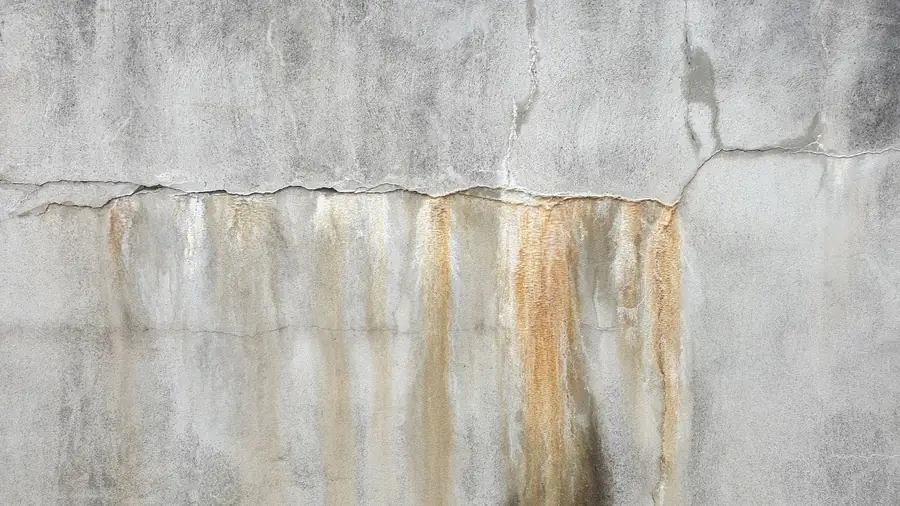
A repair is worth doing when the leak has one clear source: a split along a seam, a trim the wind has lifted, a cracked upstand against the house wall. The deck should feel firm when you press on it, and the rest of the covering should still be bonded down. Those jobs are in the £400 to £1,200 range.
Replacement starts to make more sense when the boards give underfoot in more than one place, the felt is crazed and blistered across the whole area, water sits in the same hollows for days after rain, or there are tide marks on the ceiling in more than one spot. Overlaying a new membrane on top of an old one can work, but only if the deck below is bone dry, and on a roof that has leaked that’s rare. Trapping wet boards under a fresh sheet just moves the rot out of sight. For the cost of the other repairs your house might need, see our breakdown of roof repair costs in Weymouth and Portland.
Building regulations when you replace a flat roof
Patching a flat roof doesn’t involve building control. Replacing one over a heated room usually does.

Under Approved Document L of the Building Regulations, replacing the waterproof membrane on a flat roof counts as renovating a thermal element. If more than half of that roof is being done, the whole roof should normally be brought up to the improved U-value, which for roofs is 0.16 W/m²K. In practice that means a warm-roof build with a decent thickness of insulation. Some leeway exists where the extra depth would clash with a door or window head, or the structure can’t take the weight, and part of a survey is working out whether that applies to you. A newer edition of the document has been published for use from March 2027, and it keeps the same approach to flat roof renovation.
The work must be notified to building control. A roofer registered with one of the government’s competent person schemes can self-certify it, and you get a certificate at the end. Otherwise someone applies to Dorset Council’s building control before the job starts. Either way, keep the paperwork, because a buyer’s solicitor will ask for it when you sell. Detached, unheated garages fall outside all of this, and like-for-like replacement doesn’t need planning permission unless the height or appearance changes on a listed building.
Frequently asked questions
How much does it cost to replace a garage flat roof in Weymouth?
Re-covering a single garage in EPDM rubber usually costs £1,200 to £2,200 with waste and VAT included. Where it lands in that range depends on how many deck boards have gone soft, whether the fascia and gutter need replacing at the same time, and how easy it is to get to the garage from the road.
Is EPDM or GRP better for a flat roof on Portland?
For a plain rectangle over a kitchen or garage, EPDM is usually our pick on the island because it goes down as one sheet with hardly any joints for the wind to work at. GRP earns its place on small, fiddly roofs with lots of corners, such as bays and dormer tops, and anywhere people will walk. Both stand up to salt air far better than the old three-layer felt.
Can a leaking flat roof be repaired rather than replaced?
Yes, if the deck is dry and firm and the leak comes from one spot, such as a split at a seam, a lifted edge trim or a failed upstand against the wall. Most of these jobs fall in the £400 to £1,200 band. If the boards are soft underfoot in several places or the felt is crazed and blistered all over, a patch won't last a winter.
Do I need building regulations approval to replace a flat roof in Weymouth?
If the roof covers a heated room and you're replacing more than half of it, the work counts as renovating a thermal element, so the roof normally has to be insulated up to current standards and the work notified to building control. A roofer registered with a competent person scheme can self-certify it. A detached, unheated garage is outside these rules.
Want a roofer to take a look?
Free surveys and fixed written quotes across Weymouth, Portland and nearby towns.